TPA History
Looking back
I have been involved in (hobby) publishing projects since I finished school in mid-1970‘s. Music/underground fanzines, collector/penpal publications with international readership and so on. Either alone or together with friends.
These activities increased considerably when I finally started working in a printing company/became a trained offset printer.
In the second half of the 1980‘s I got hold of a box with older picture postcards from a household clearing sale by chance. I was fascinated by the unusual reproduction quality and variety of topics immediately. I became a "regular" ppc collector. In order to find more cards of interest I issued an illustrated want list (bilingual) in booklet form which included also a couple of shorter articles. Distributed with my then major collector/penpal publication project "The Tree" which enjoyed worldwide coverage then.
The feedback from ppc collectors, mostly from outside Germany, was impressive. Not that I managed to obtain many cards I had been looking for. Collectors had questions on the old ppc sources, plenty with imprints on saying Printed in Germany.
The idea of a regular publication for (research-minded) postcard enthusiasts was born. An alternative meeting place besides the established commercial ppc collector publications around then. Someone suggested the name "The Postcard Album", not really pretty original, but I recall it was sort of compromise and okay with me.
The first issue, showing an album-like cover, beared the number 2. No idea why. Sized 210 x 148 mm, landscape layout. Entire content printed in old-style sepia tone. Printing and all post-press work done by myself.
Please take into account that I am talking about pre-internet times. Correspondence by letters was standard. Enclosing monochrome photocopies of cards, too.
TPA issues 2, 3 and 4/5
-
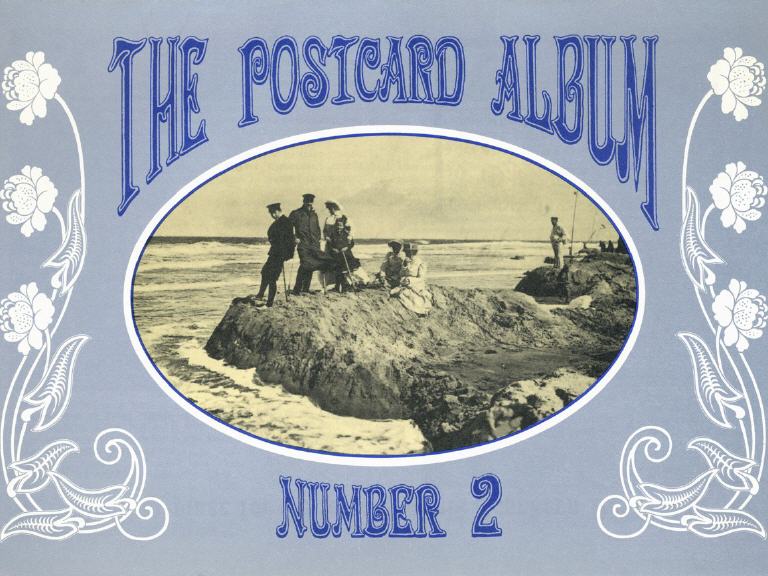 TPA issue 2
 -
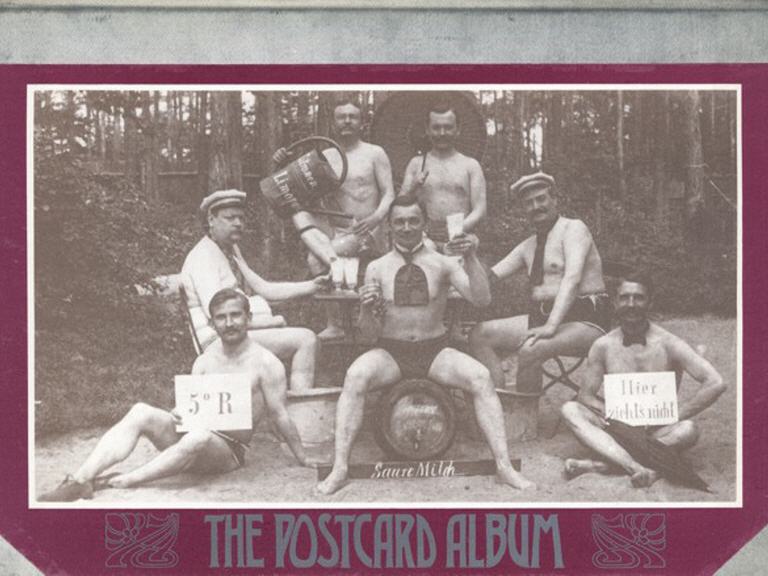 TPA issue 3
 -
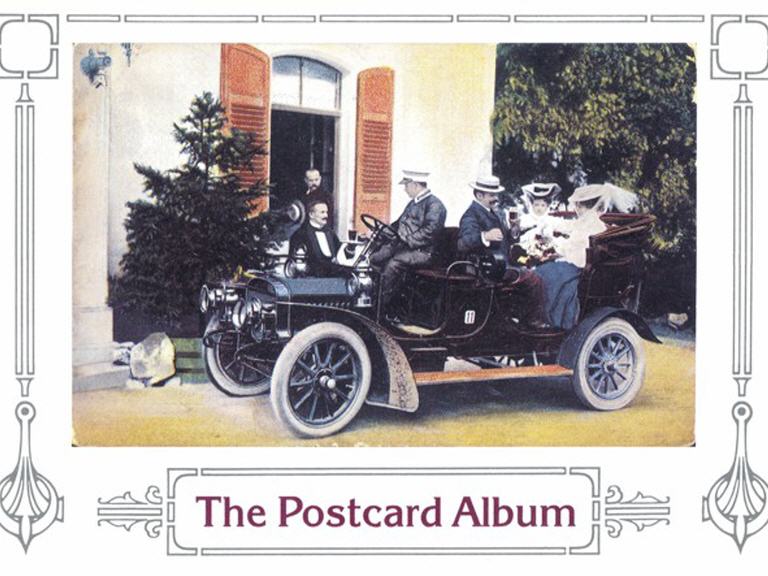 TPA double issue 4-5
TPA was a side project of mine then. It was well accepted, but sufficient time always a problem. Funds limited, too. I had decided to do TPA in English as most copies were distributed outside Germany. This led to lack of appreciation and even some unfriendly comments by Germans. But some did also realise the potential of this "international" meeting place. Old cards are found almost everywhere.
TPA issue 3 contained more pages and was late. The publication was available for little money, payment from abroad (personal checks, various currencies etc) a problem. TPA did well in the USA and I was lucky to find representatives handling and promoting TPA there directly. Great Britain another major market then and so I had another agent (which I had met in person before) there soon.
The late again thick double issue TPA 4/5 appeared by early 1990‘s, including some full colour illustrations. Recall the professional colour separations had cost me a small fortune. I realised that TPA required more and more time, but was rewarding and cancelled most of my other publishing projects.
TPA issues 6, 7 and 8
-
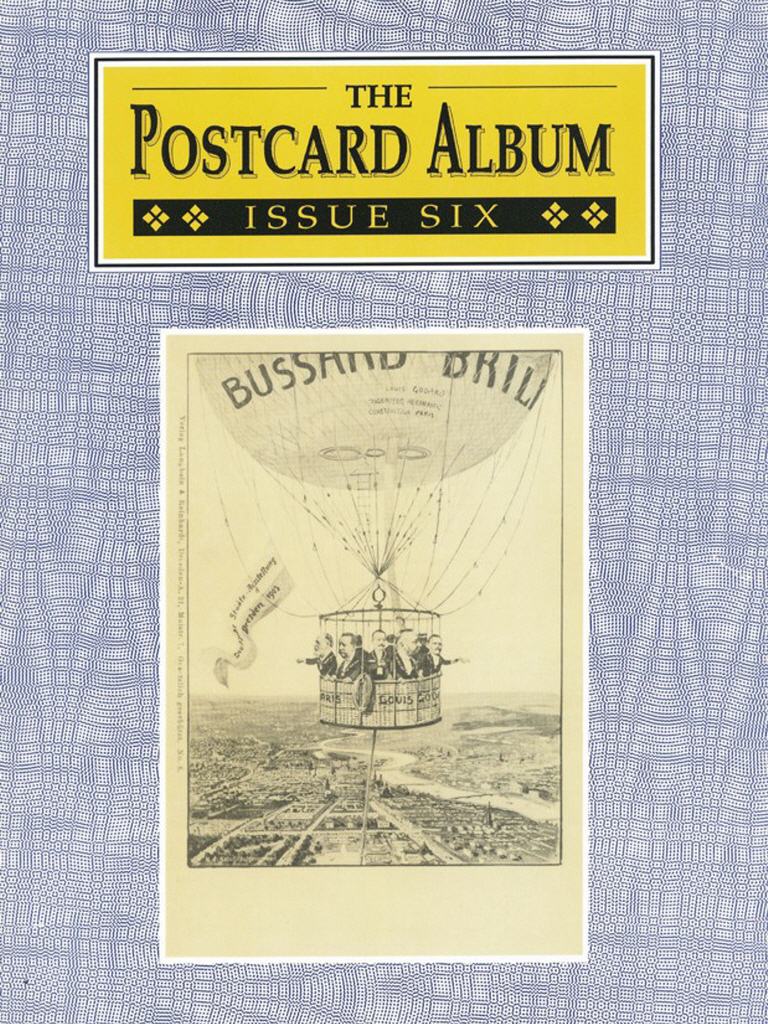 TPA issue 6
 -
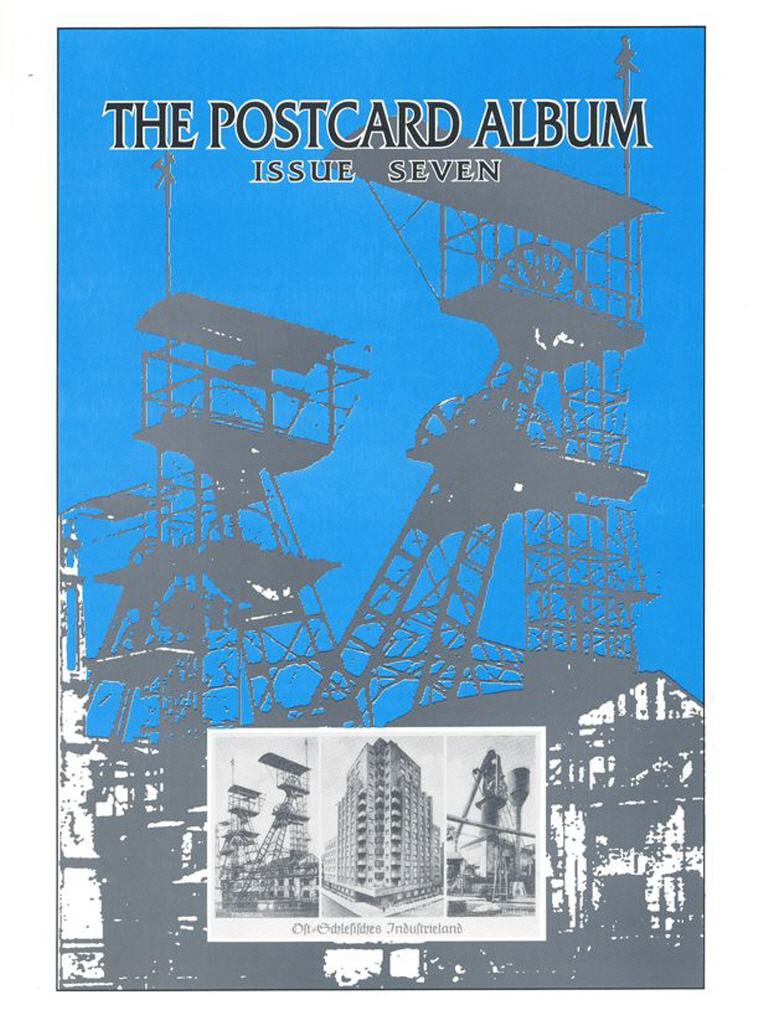 TPA issue 7
 -
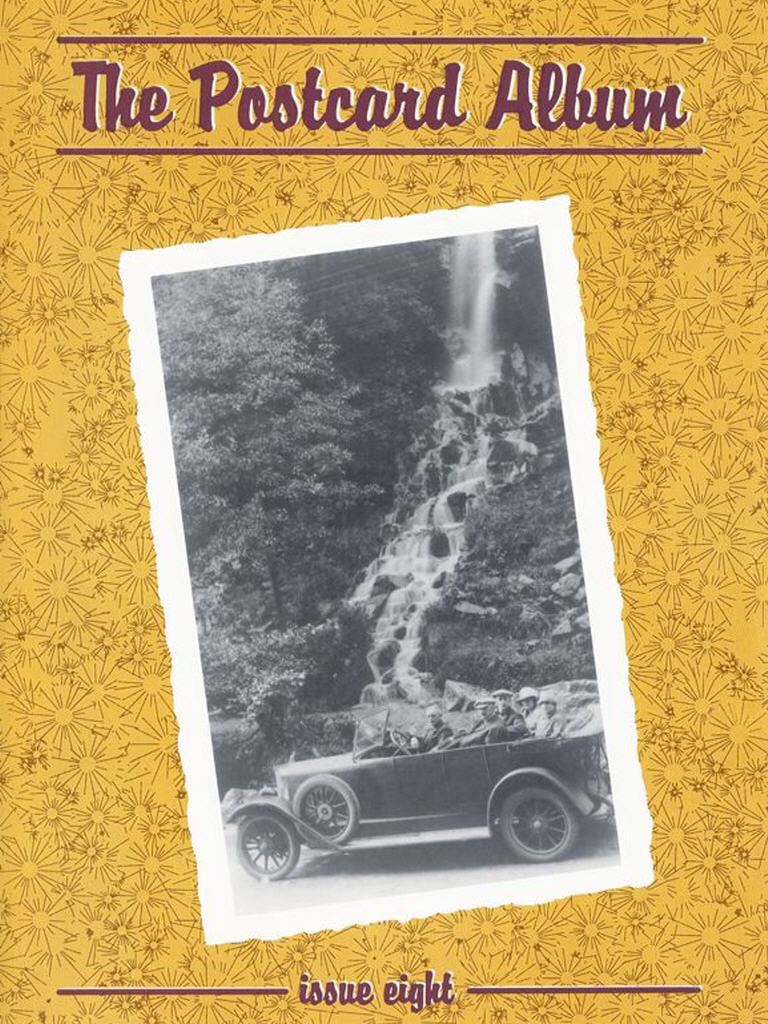 TPA issue 8
TPA 6 came along in the bigger standard format (210 x 297 mm) which made not only the reading easier. The stories became longer and more comprehensive, first serious research projects were set up (for example George Webber‘s work on C.G. Roeder, Leipzig with heavy support by TPA readers).
TPA began to gain reputation internationally. A new representative for Canada was introduced in TPA issue 9. The next issue 10 published in 1996 had 52 pages cram-full with interesting reading material. Still one of my all-time favourite issues.
TPA issues 9, 10 and 11
-
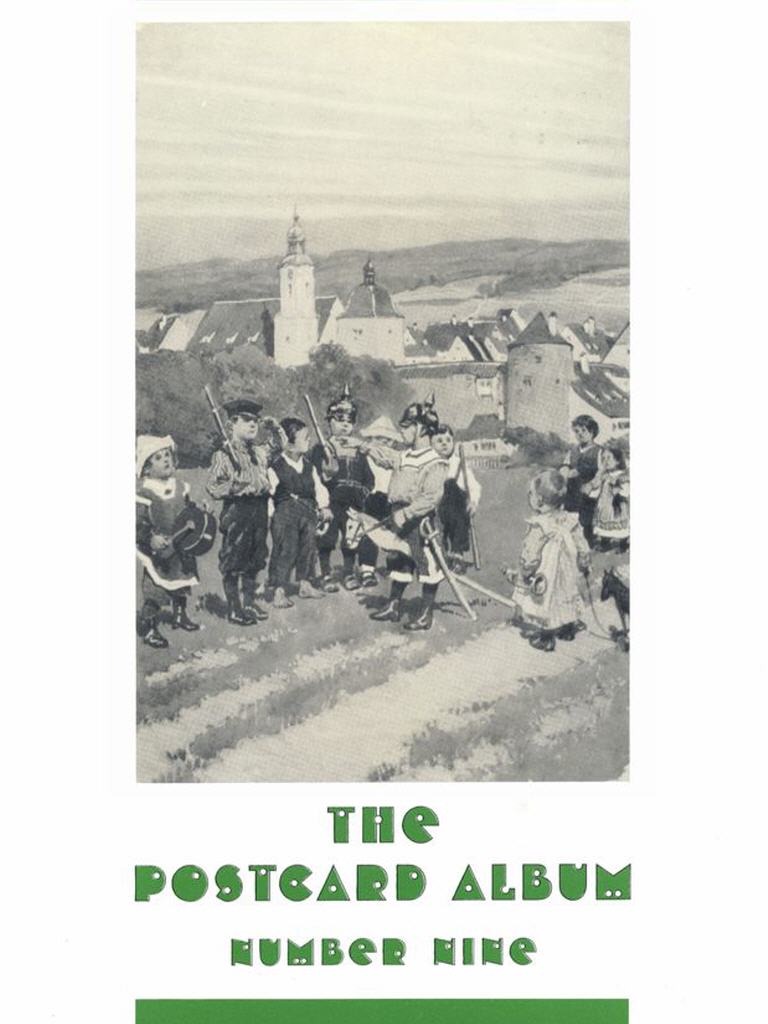 TPA issue 9
 -
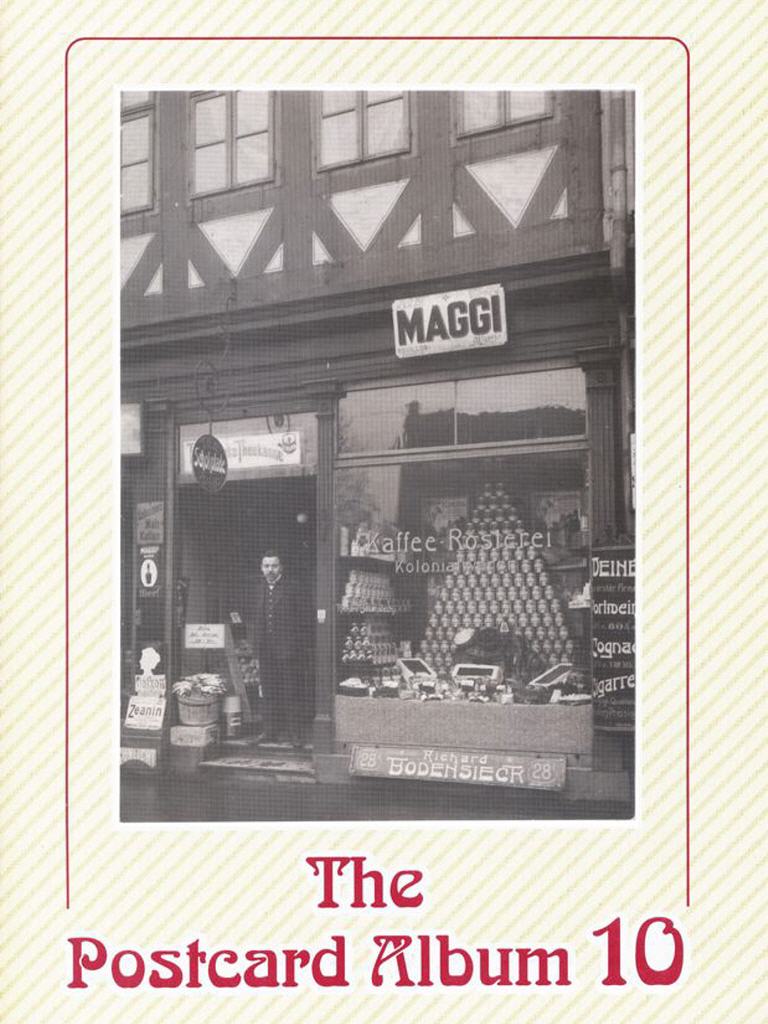 TPA issue 10
 -
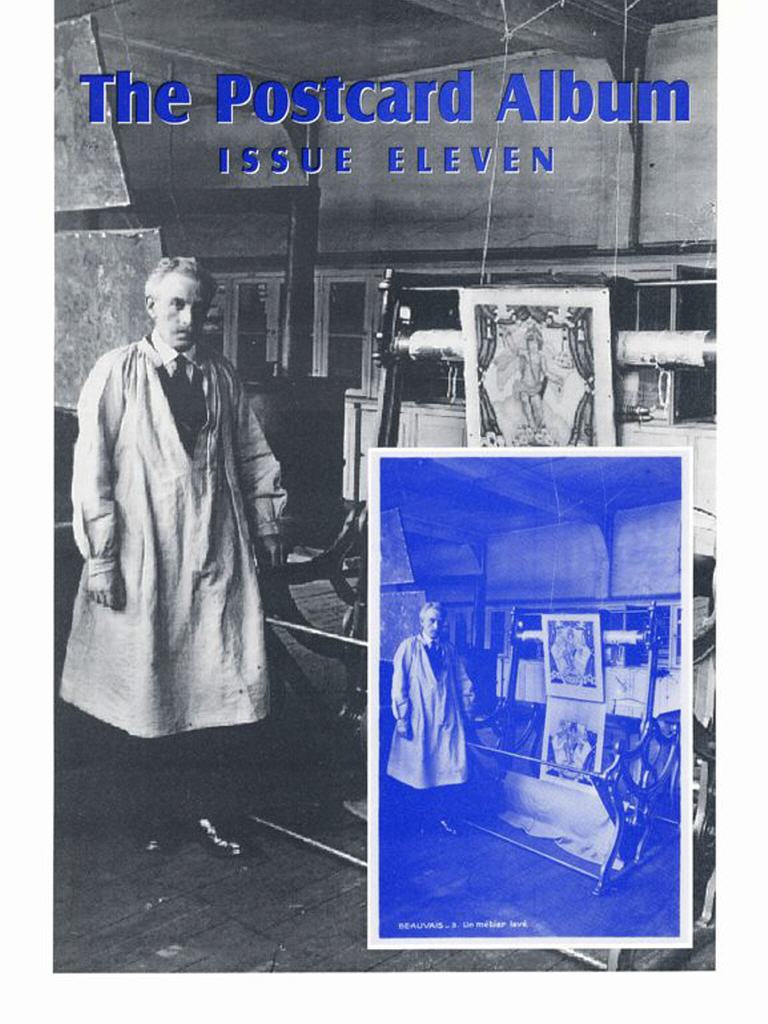 TPA issue 11
Issue 11, with a total of 64 pages, caused plenty of problems production-wise. Too many (quality) problems with new poly printing plates, too much wasted time. The content was well received, however.
I decided trying something new.
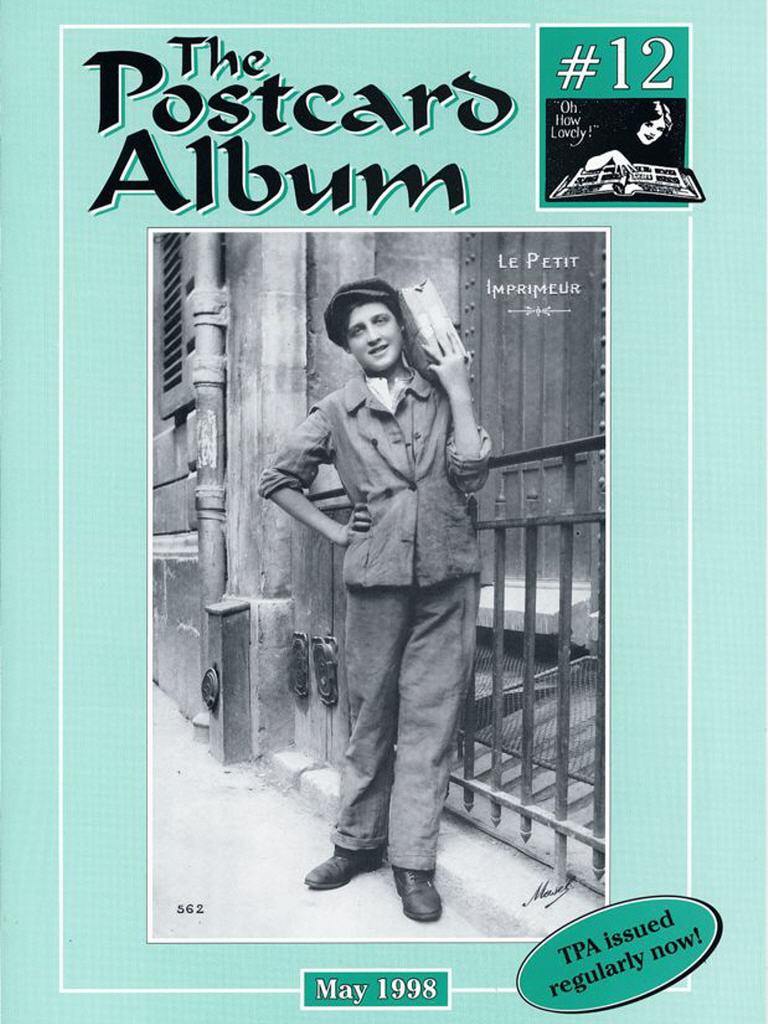
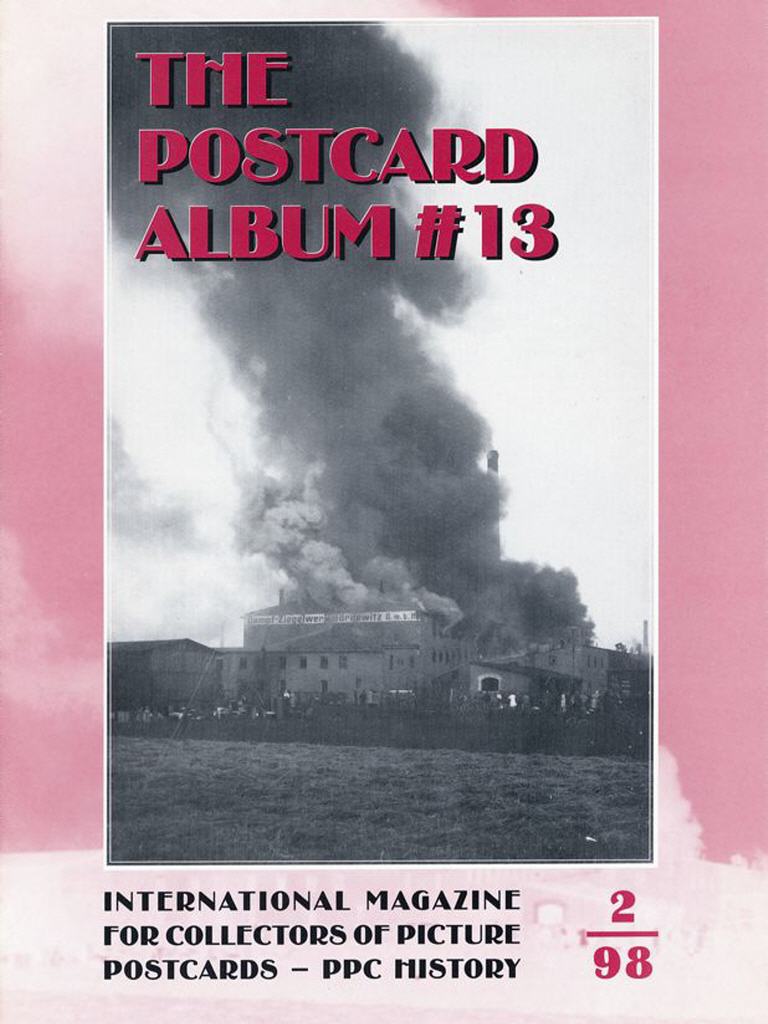
TPA 12 (32 pages) came out in May 1998, planned were two issues per year, printed by quality offset process. TPA issue 13 followed later the year indeed. Then I had to learn that not only production/distribution was too costly, but that most regular readers expected more content. Few only appreciated more issues per year. Well, we live to learn.
TPA issues 12, 13 and 14
-
 TPA issue 12
 -
 TPA issue 13
 -
 TPA issue 14
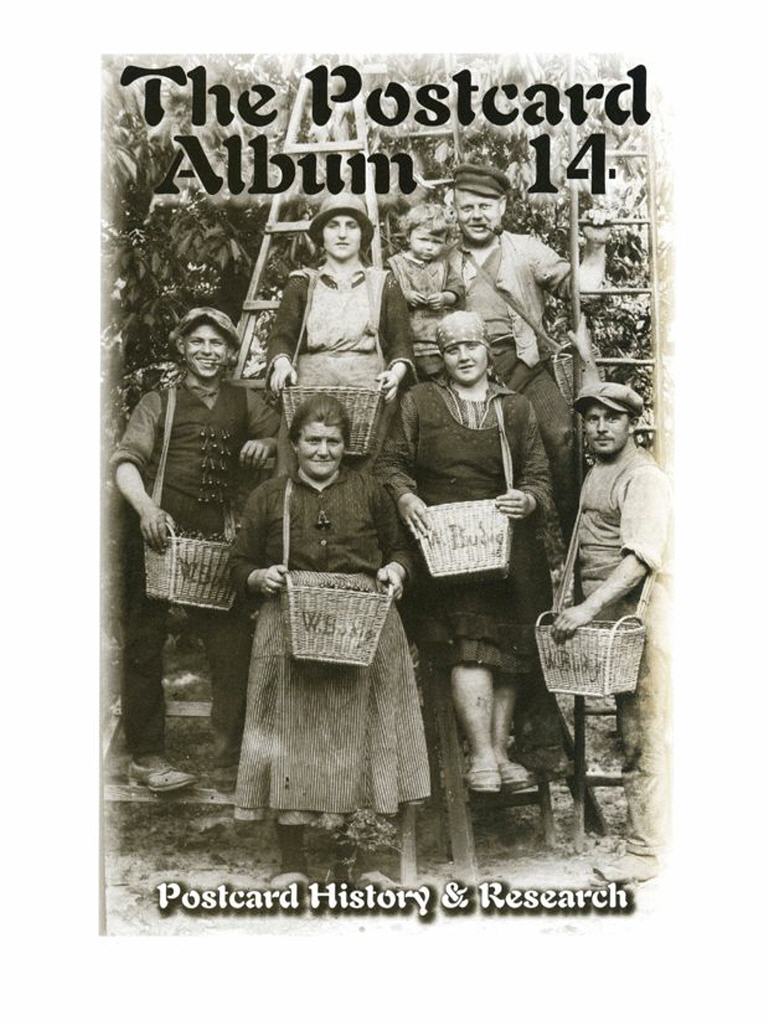
Times for changes again. Digital printing (from files directly sent to professional printer) produced good results meanwhile and was affordable. TPA issue 14 had a (duotone) offset cover on quality artprint and the entire content done digitally monochrome. This allowed "Printing by demand" and avoided unwanted surplus stock. Issue 14 did very well indeed, was reprinted several times, the last did take place in 2002.
TPA 15 and 16 followed in the same make, but with more pages each issue.
TPA issues 15, 16 and 17
-
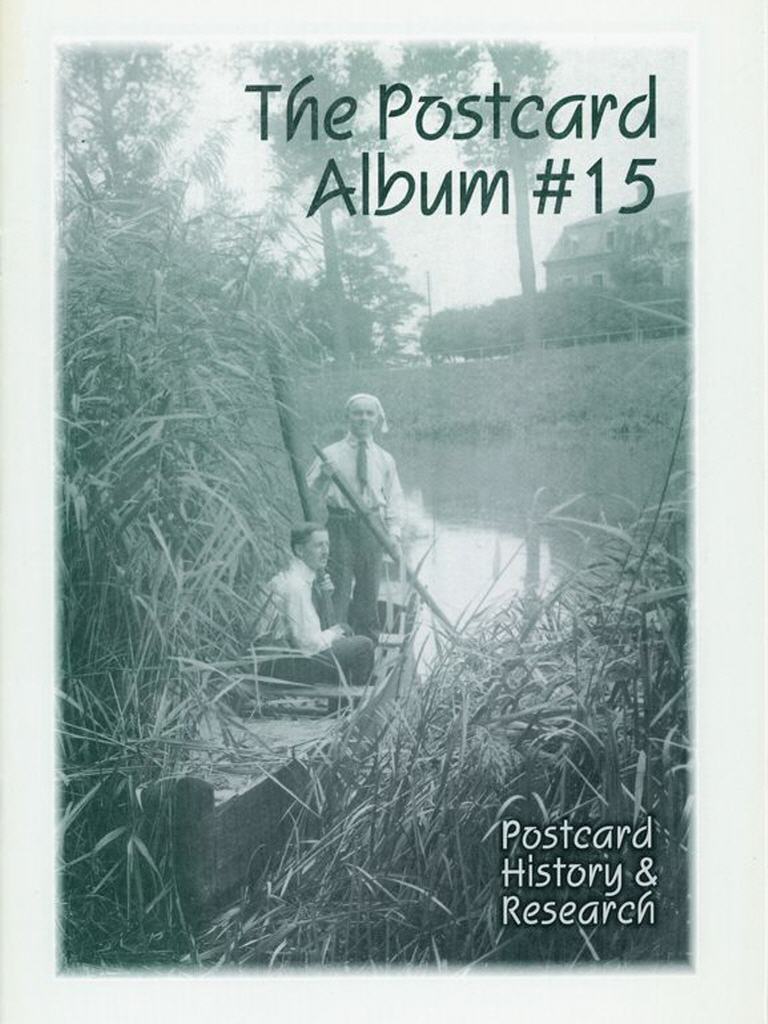 TPA issue 15
 -
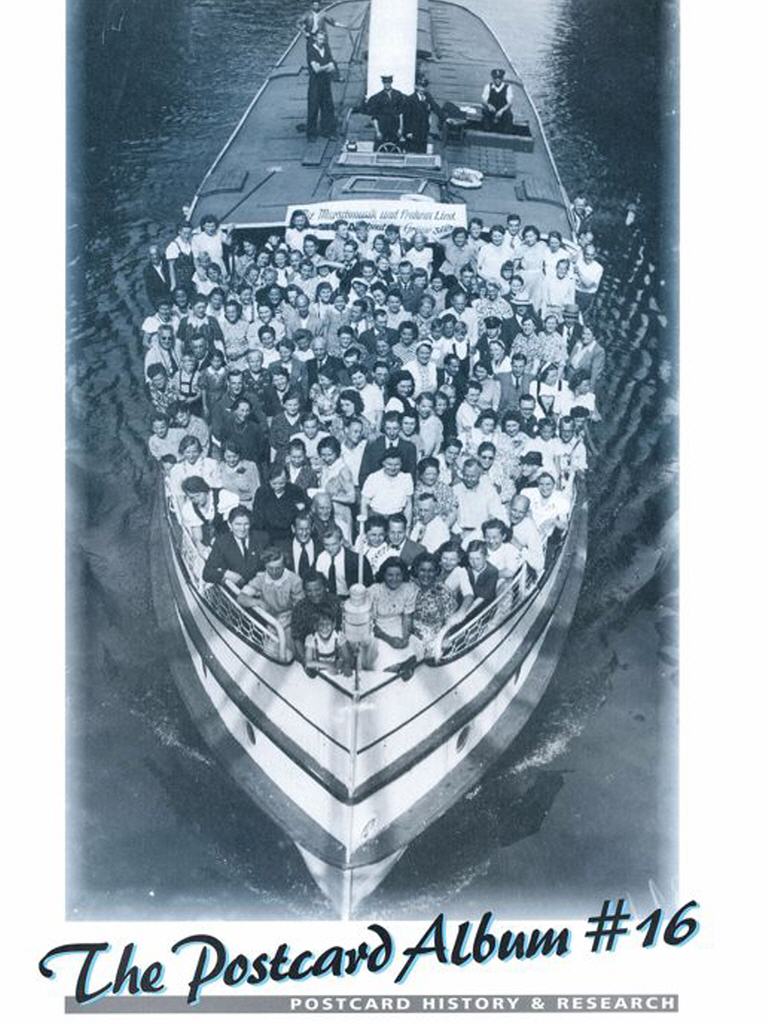 TPA issue 16
 -
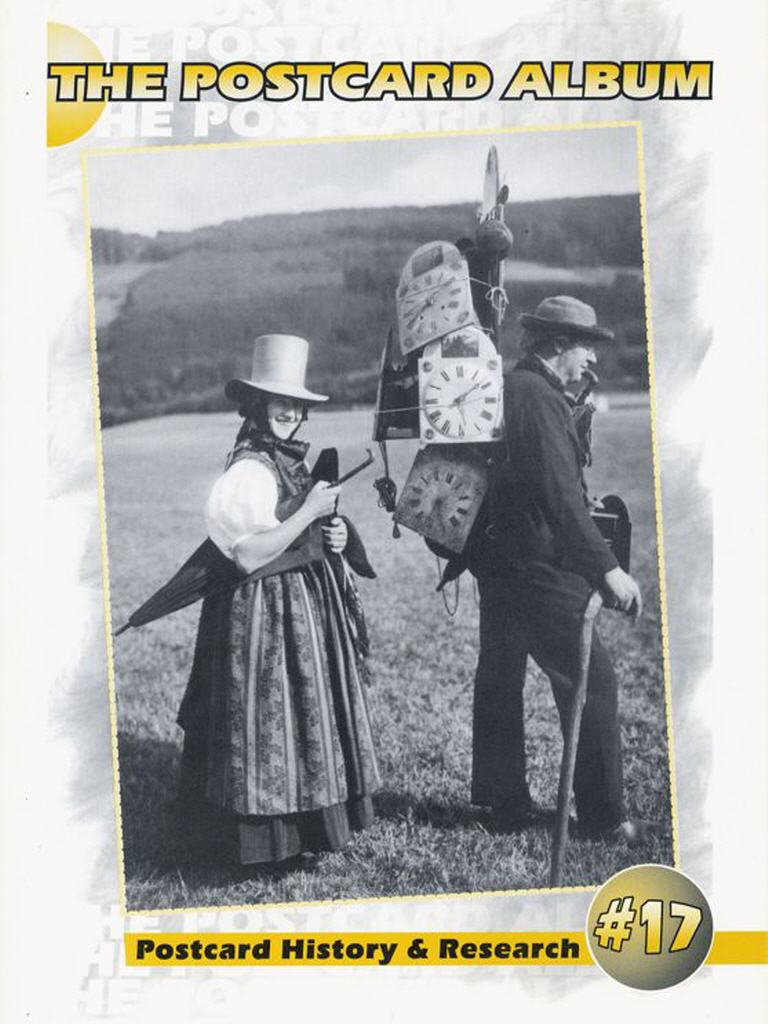 TPA issue 17
TPA issue 17 came with a 4 page full colour insert and the first part of the research project on Knackstedt & Naether company from Hamburg. George Webber, Frans Bokelmann and Bob Richardson were guest writers.
Starting with issue 18 the entire TPA production became digitally, colour and b/w. A popular article reprint series titled "Colour Printing: The various modern processes" from a British newspaper source published originally in 1912 ended. Bob Conrich contributed an interesting artitle titled "Racism in the West Indies".
TPA issues 18, 19 and 20
-
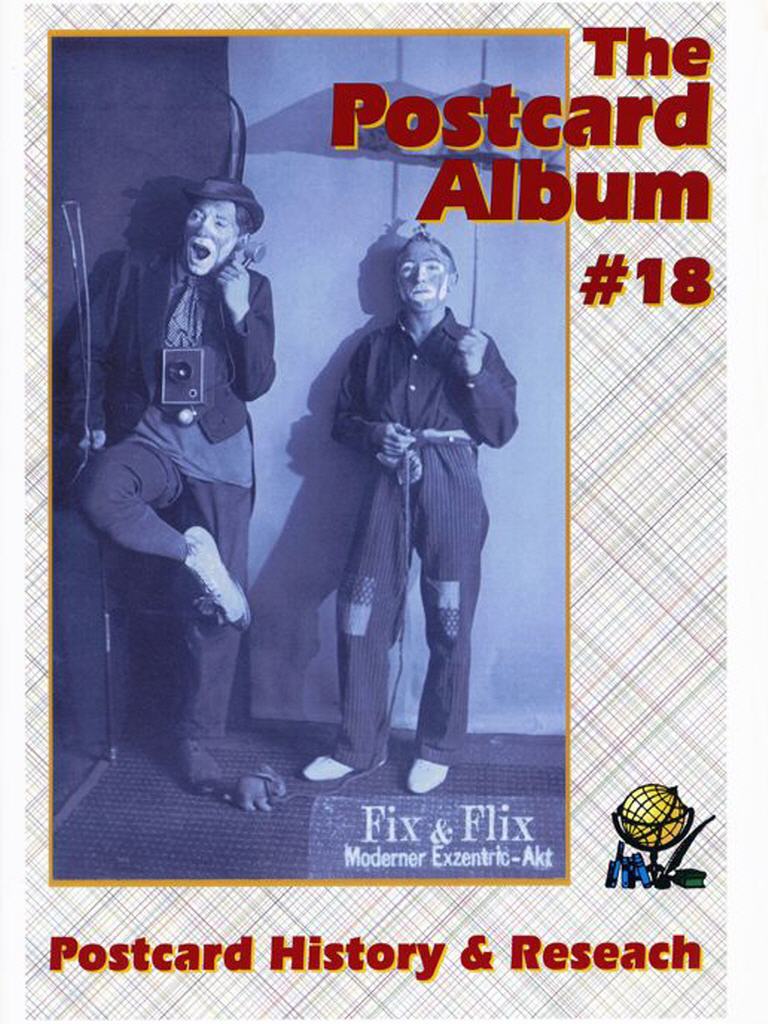 TPA issue 18
 -
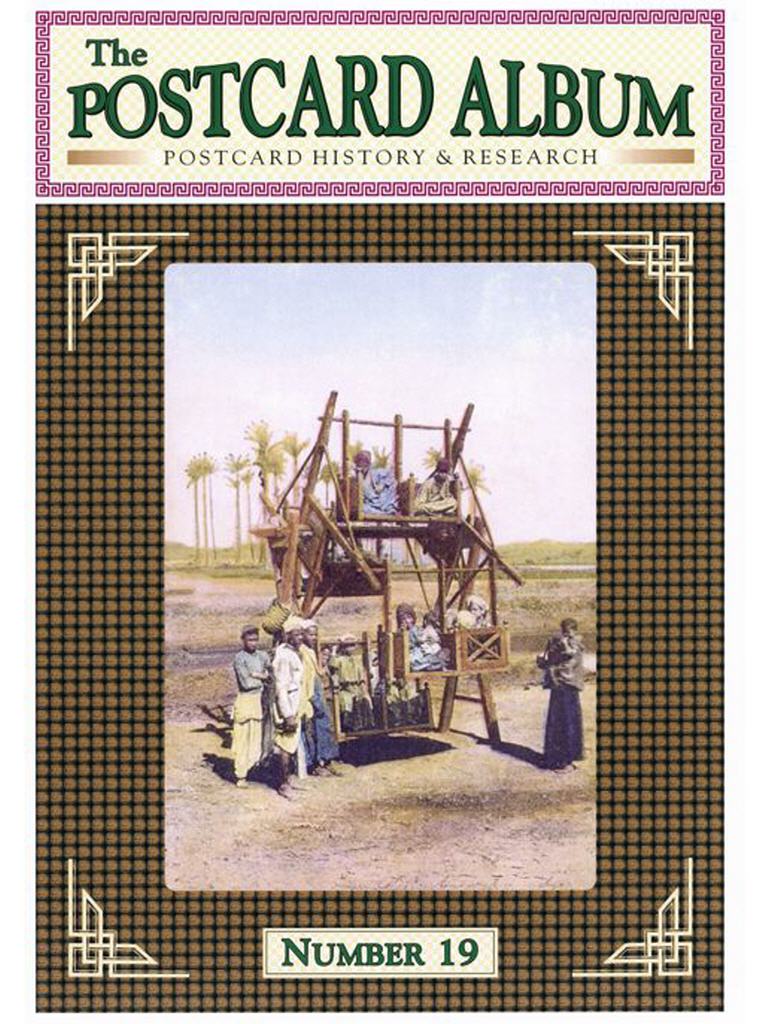 TPA issue 19
 -
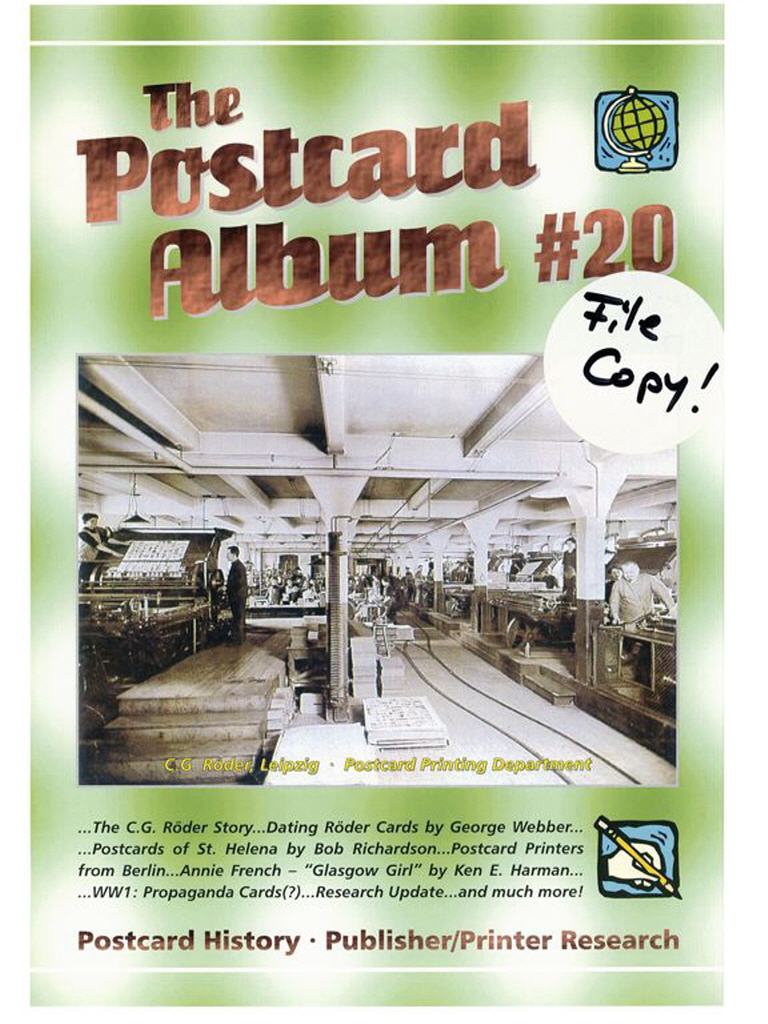 TPA issue 20
TPA 19 was published in 2002, 40 pages, colour cover and centerfold. With articles on Carl Garte, Leipzig, a well illustrated company history of the ppc printers Junghanss & Koritzer from Meiningen, Liselotte Erlanger Glozer wrote on opera cards, George Webber on British Knackstedt & Naether cards, C. G. Roeder a topic again and not to forget "Colonel Harrison‘s African Pygmies" by Sally A. Fall.
TPA 20 (48 pages) another highlight. Besides Ken Harman‘s work on Annie French, Early St. Helena cards by Bob Richardson, was a new series on old postcard trade companies from Berlin. George Webber presented a detailed dating of batch number used on the masses of cards by C.G. Roeder. The result of some 10 years of research by George and assisted by a number of committed collectors worldwide. It allows to date also not postally used Roeder printed cards. The editor contributed the entire C.G. Roeder, Leipzig, company history. Little-known Roeder was one of Germany‘s biggest postcard contract printers for decades.
TPA issues 21, 22 and 23
-
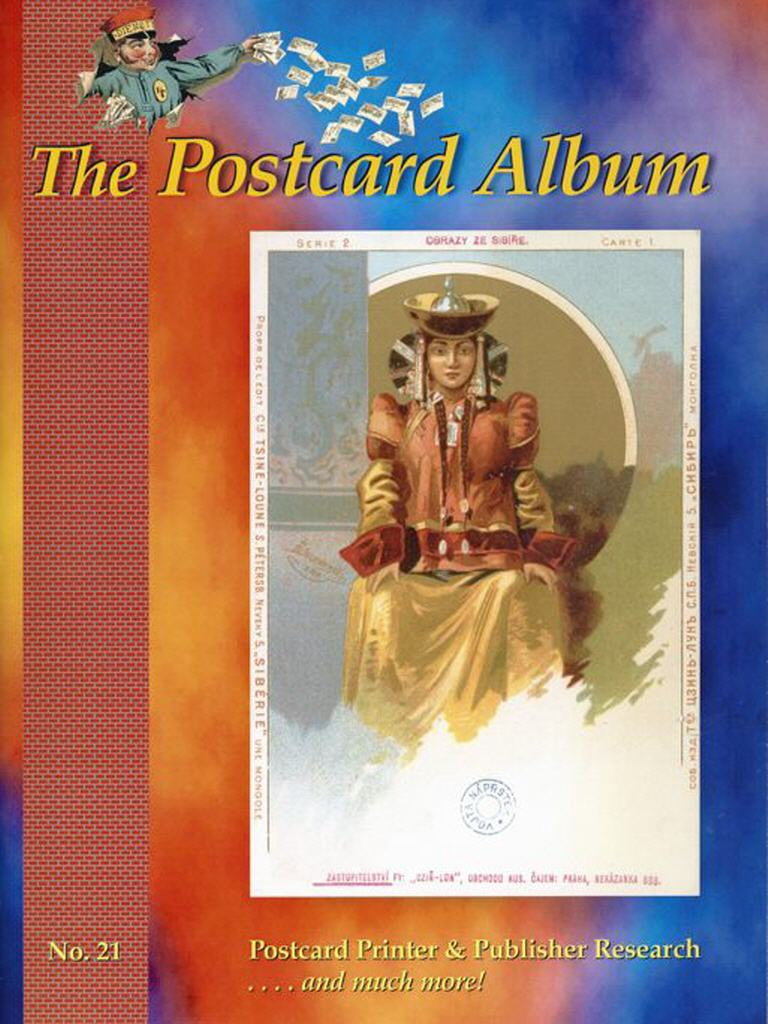 TPA issue 21
 -
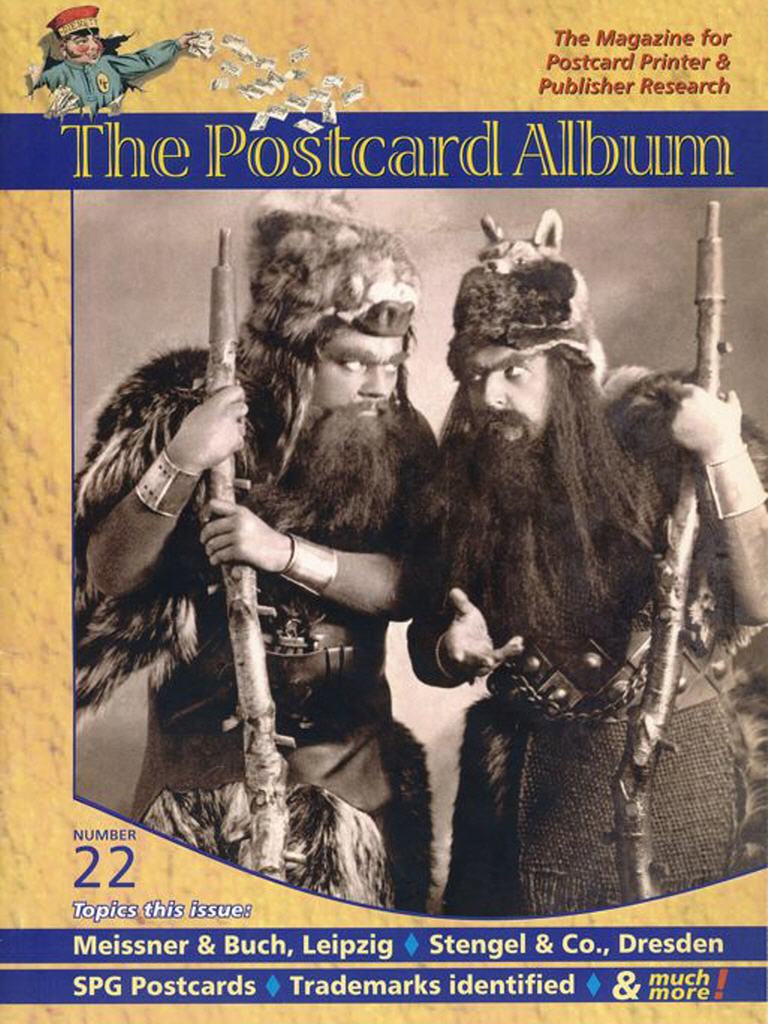 TPA issue 22
 -
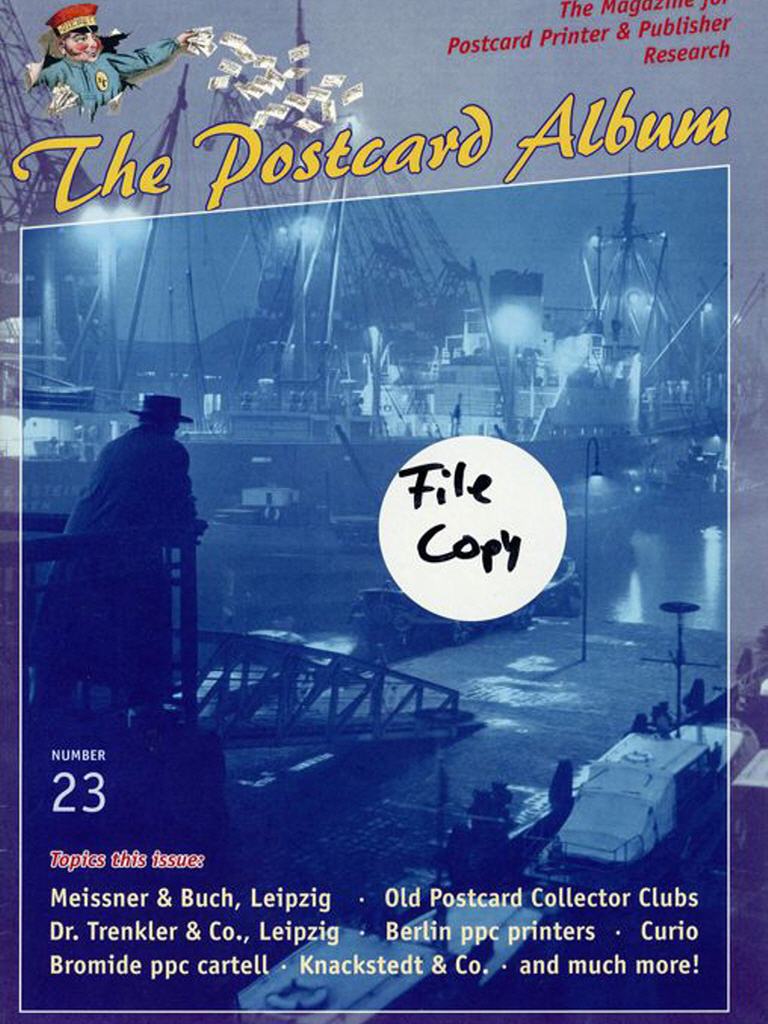 TPA issue 23
TPA issue 21 (52 pages) and issue 22 (60 pages) continued with various research projects making progress and histories of long gone companies of interest to ppc collectors.
TPA 23 (2008/56 pages) became another well-received issue. Improved reproduction quality of b/w pages, plenty of articles (Meissner & Buch/Dr. Trenkler & Co./Knackstedt & Naether/Printed in Luxembourg/E. Pinkau codes/PRA and NBC German real photo bromide cards cartel etc.) But this is also the last issue I was involved in production directly. The general situation had became complicated.
TPA issues 24, 25 and 26
-
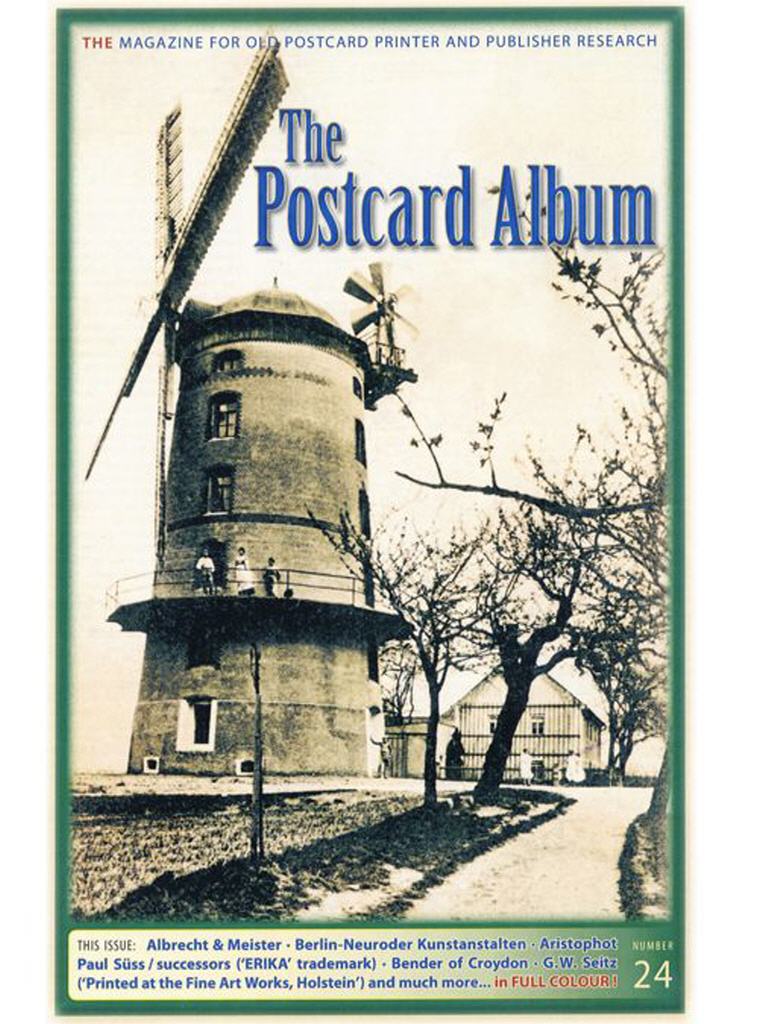 TPA issue 24
 -
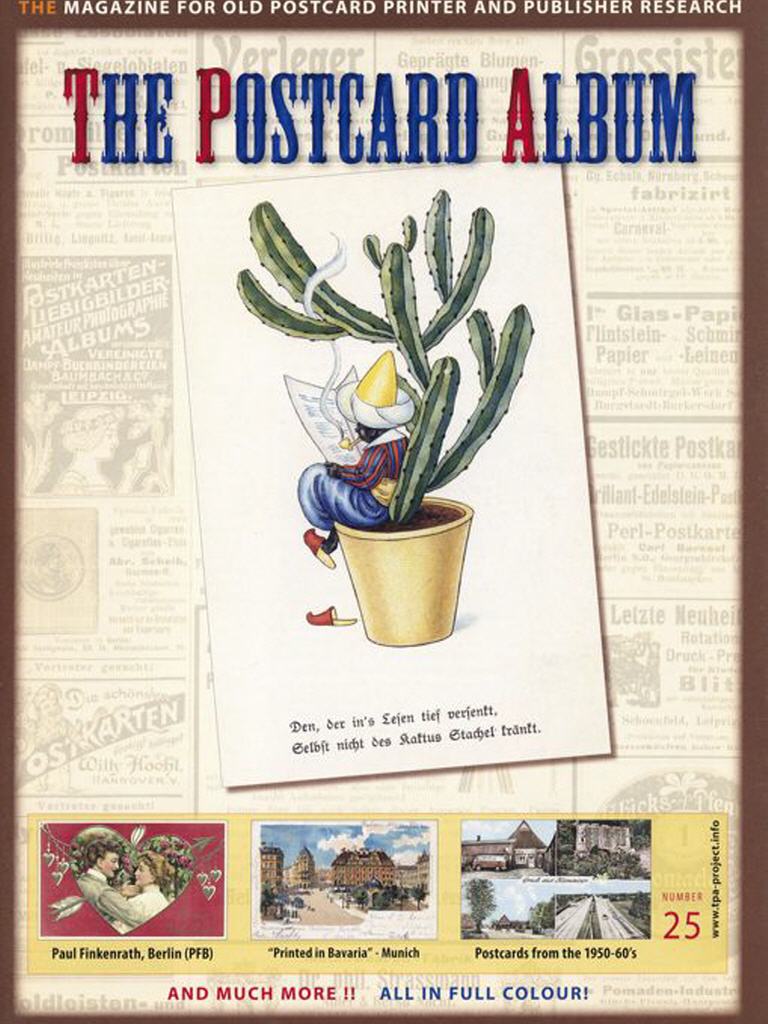 TPA issue 25
 -
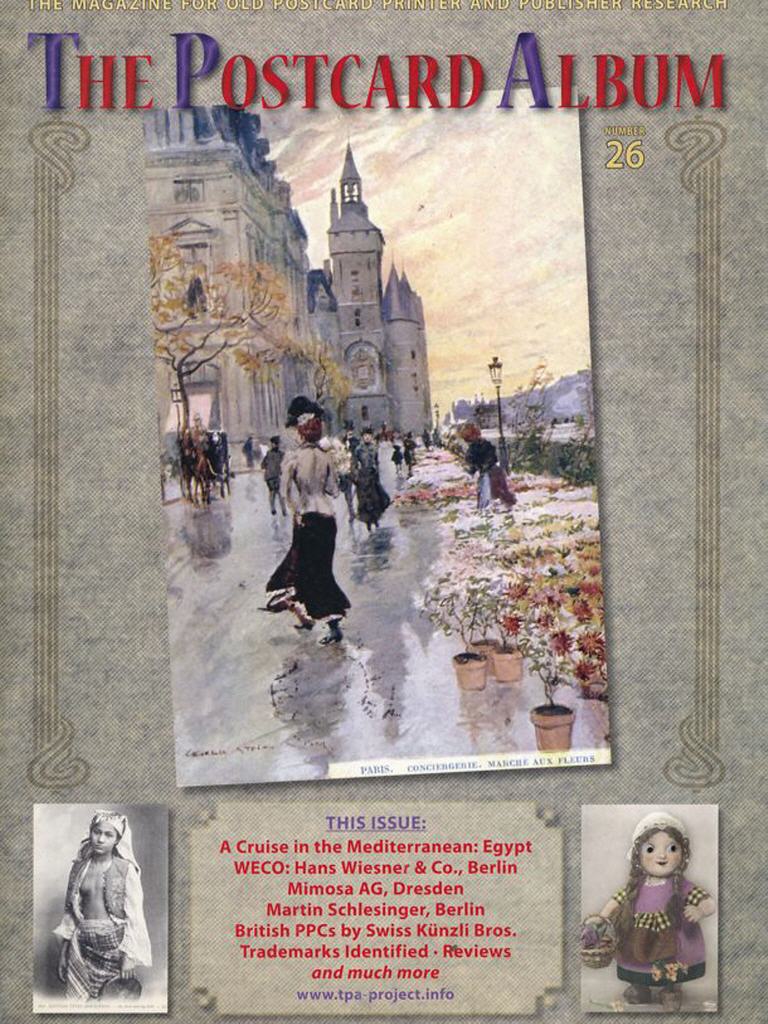 TPA issue 26
TPA 24 was published early 2010 and printed completely in colour (digitally) by a company from Bavaria. I wasn‘t satisfied with what I received. A costly experience in my opinion but the content welcome by regular readers again: Paul Suess. Dresden/Muegeln/G.W. Seitz from Wandsbek/Bender of Croyton by G. Webber, Albrecht & Meister, Berlin/Berlin-Neuroder Kunstanstalten/Aristophot AG from Taucha near Leipzig/Pinkau "200" codes research by G. Webber etc.
In 2011 TPA issue 25 was published, this time professionally offset printed by a company from Cologne, 40 pages, illustrations superb reproduced by a 160 lines/cm screen. Wow. Okay, the minimum order meant more copies than I actually needed. But this is the reason why you still can have these back issues (for little money). See TPA magazine for major topics of these still available issues.
TPA issues 27, 28 and 29
-
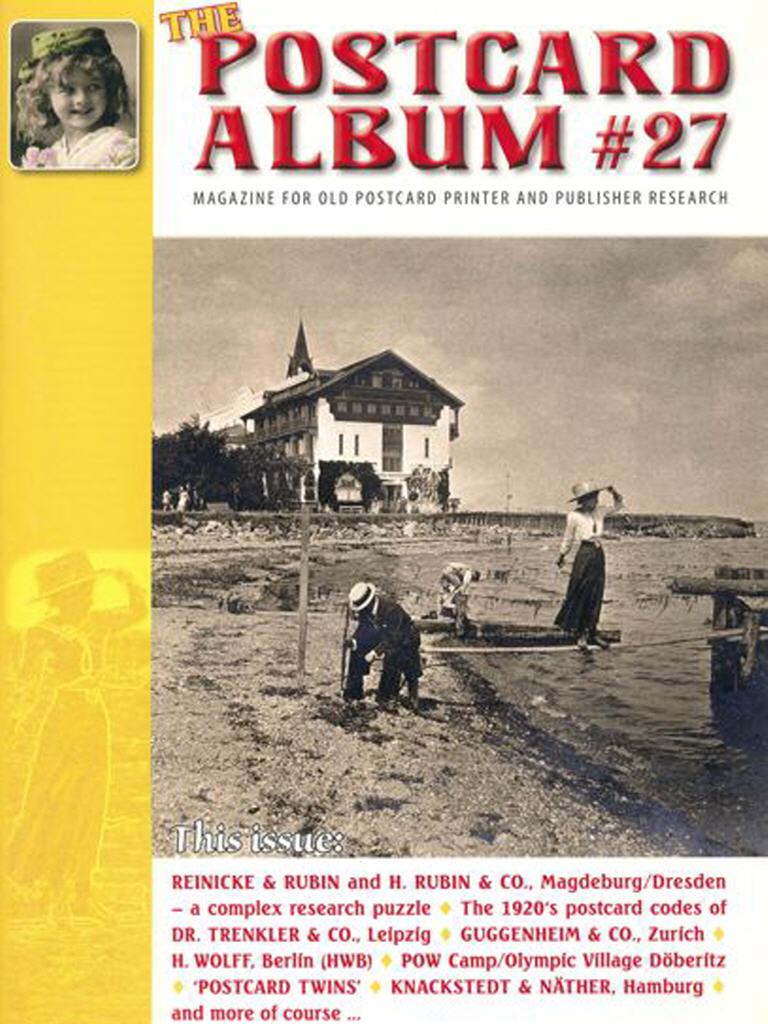 TPA issue 27
 -
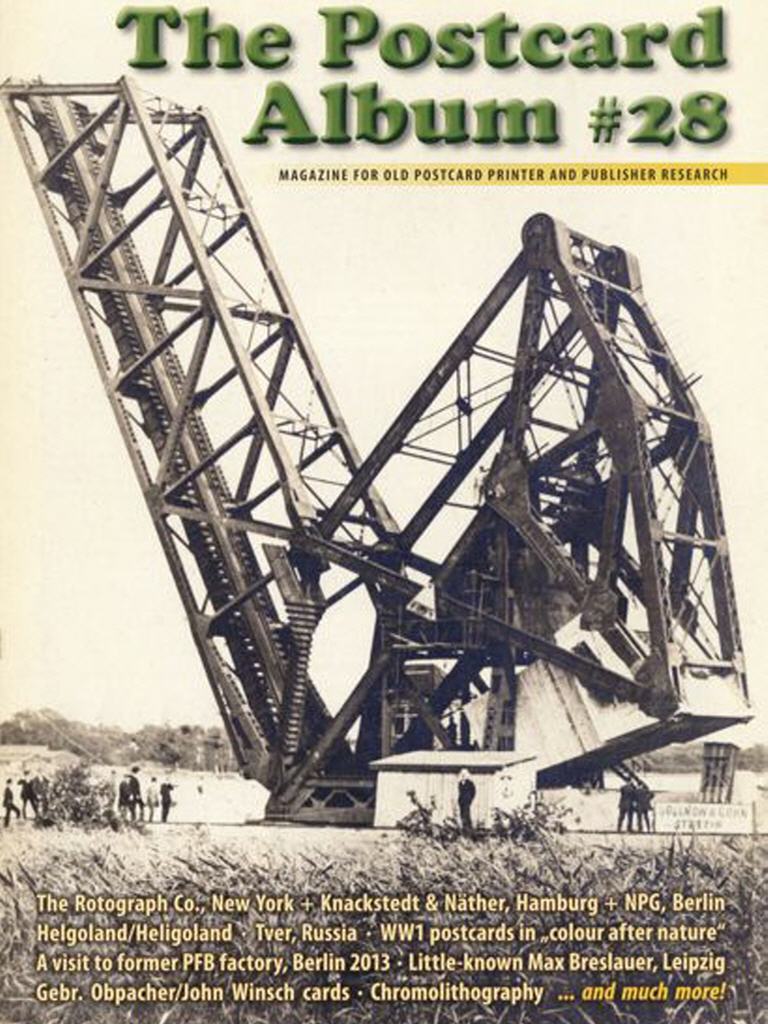 TPA issue 28
 -
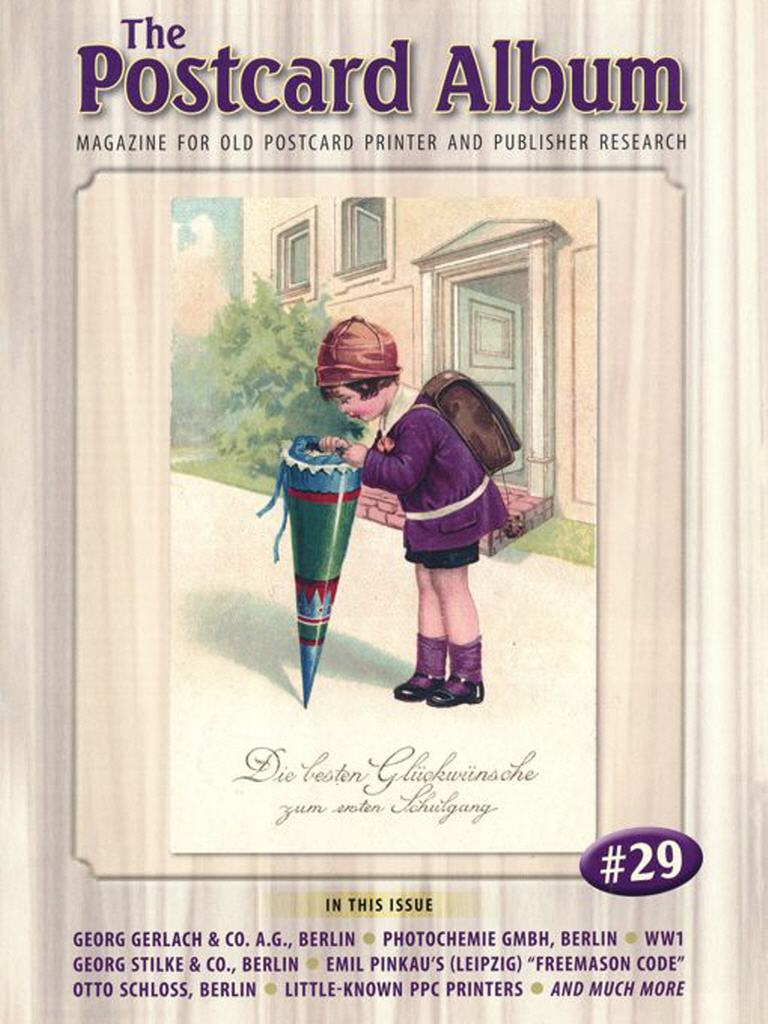 TPA issue 29
I used the printer until TPA issue 30 (2017) and was never disappointed in any way. However, times began to change, the (international) ppc collector scene showed first signs of "fading". Having representatives in USA, Canada and GB was a good thing, made international distribution much easier, but sales dropped. Parcel postage rates increased, especially outside EC. Changing times first noted when TPA 29 came out, but the next issue did not well at all. Luckily the situation improved later with increased back-issue sales. But the costs of high quality production/quantity made not much sense anymore. I am used to the fact that a hobby usually doesn‘t pay off but, now I was losing too much money.
Then personal and family matters forced me to put TPA aside for a longer period anyway.
TPA issues 30, 31 and 32
-
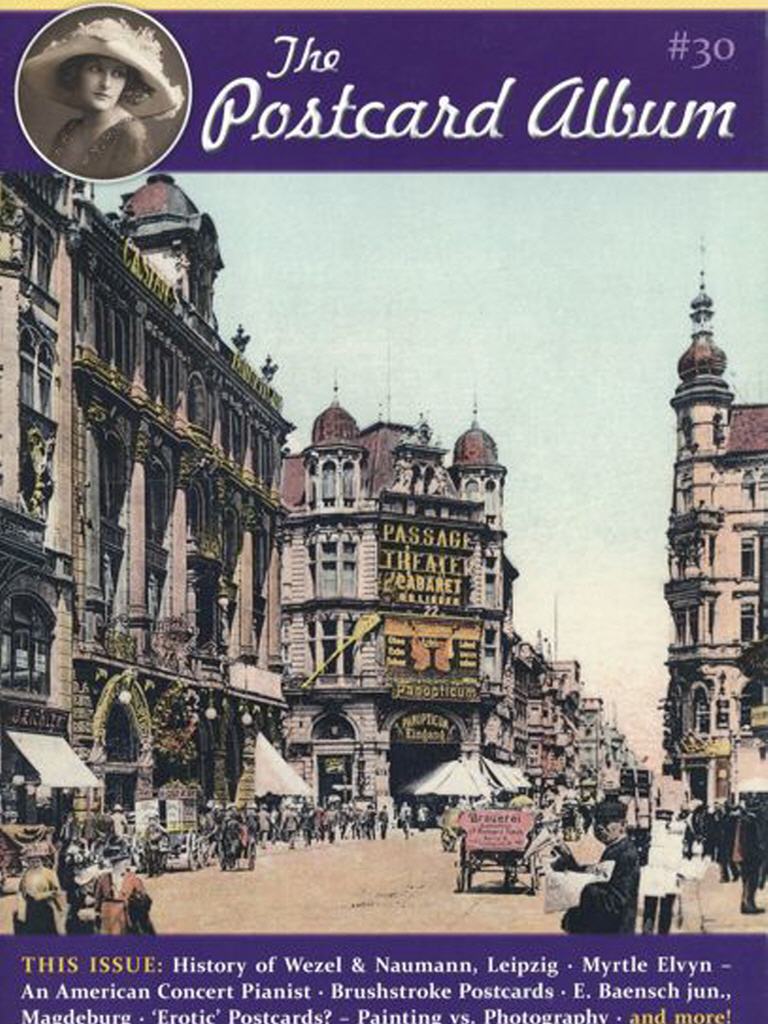 TPA issue 30
 -
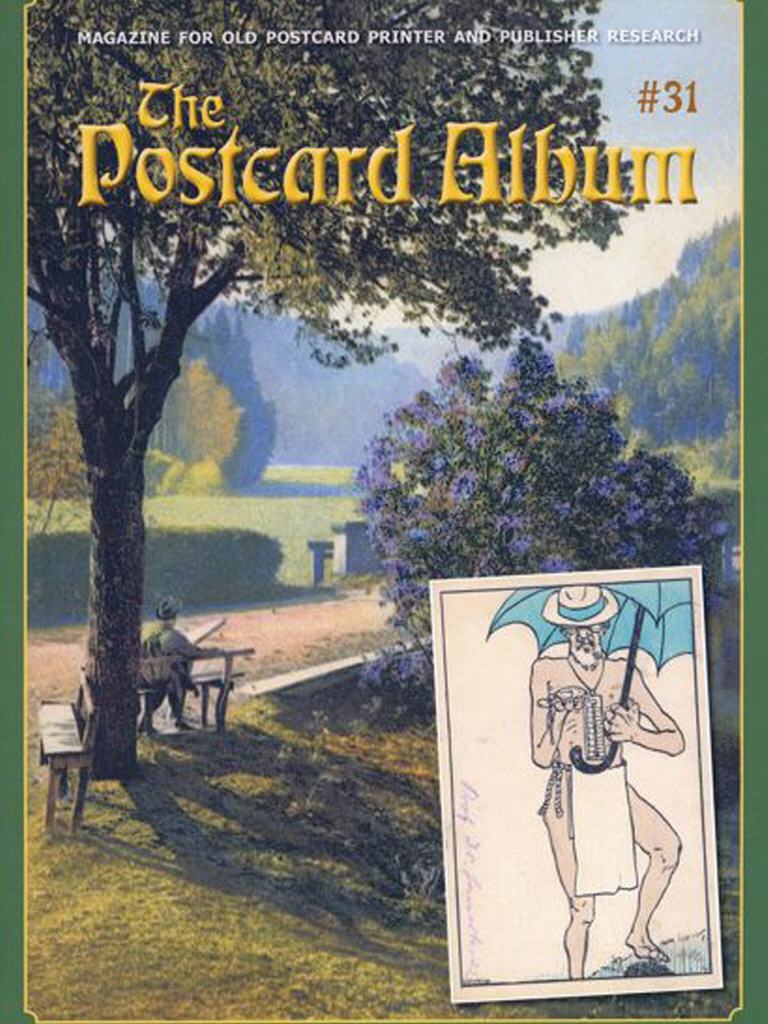 TPA issue 31
 -
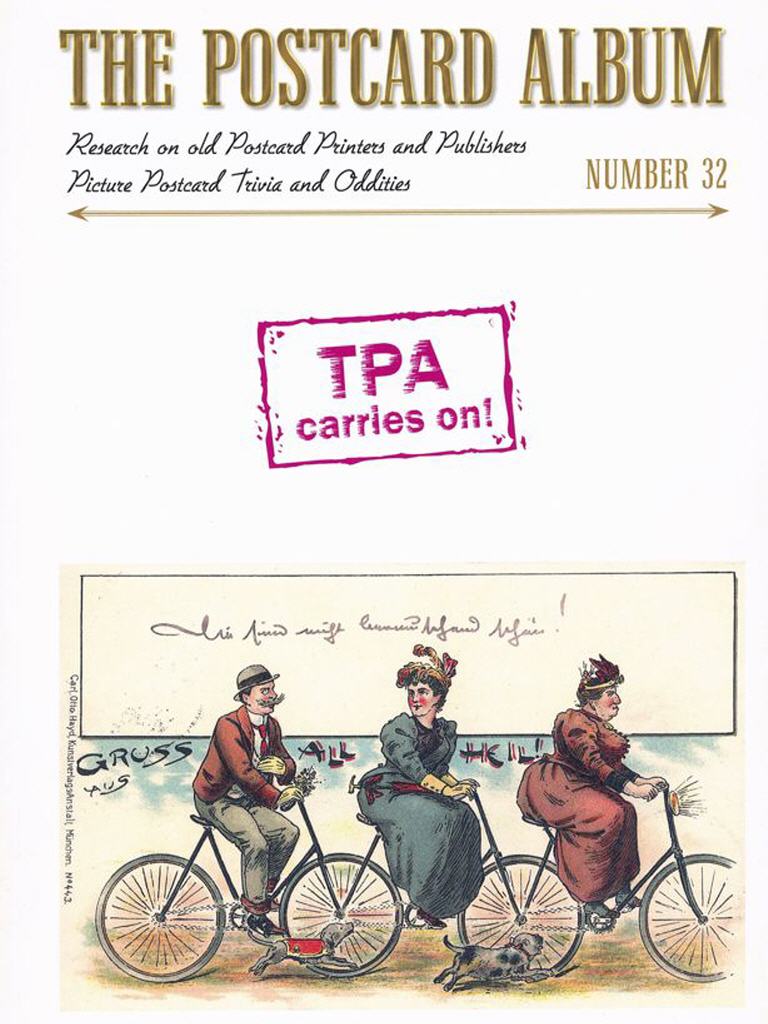 TPA issue 32
During the sad Covid times TPA was launched again in 2020. Issue 31, soft-bound with a total of 84 pages. Unfortunately the (digital) printer from Saxony I had been recommended used a partly defective machine for production. Some (not well packed) heavy parcels suffered transport damage, too. Anyway, the thick TPA 31(sold out meanwhile) did much better than I had expected. E. Baensch jr. from Magdeburg, Roemmler & Jonas, Dresden, Rob. Hartmann Corp, Stockholm, Postcard printers from Leipzig in 1908, Schaar & Daathe, Trier, Ottmar Zieher, Munich and Alphons Adolph & Johannes Beyer some of the major topics.
I may have benefited from the situation during Covid times, with many locked-up at home and plenty of time to spend. The TPA representatives system found an end due to changing times and high costs. TPA issues available now from publisher only.
TPA issues 33, 34 and 35
-
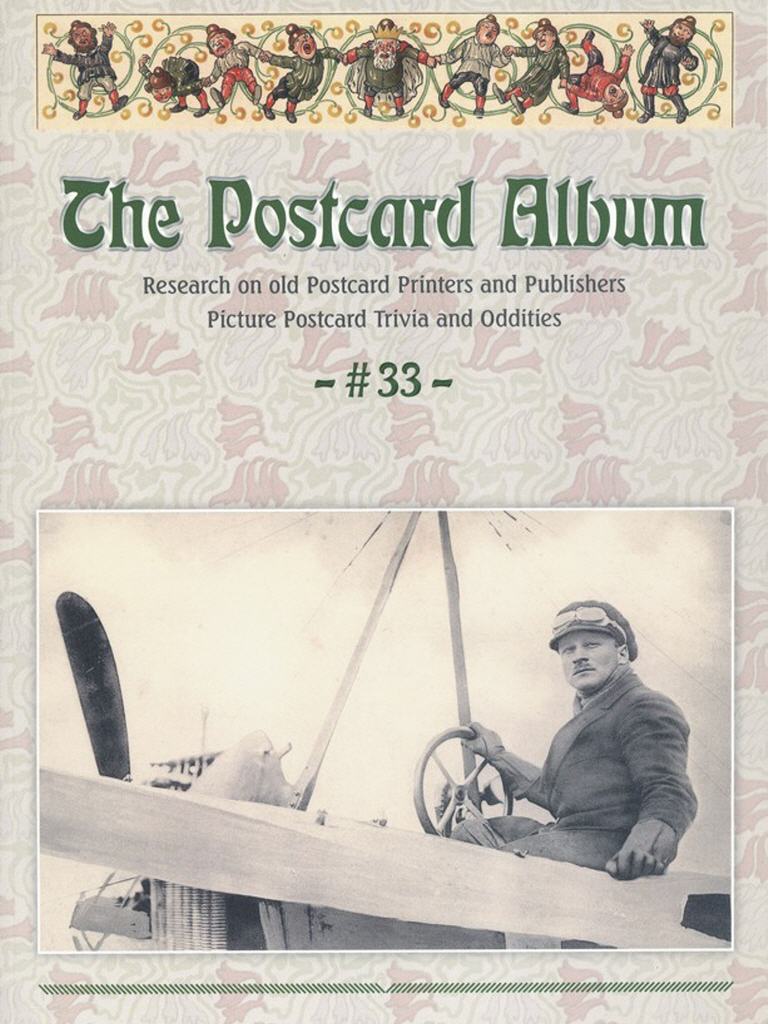 TPA issue 33
 -
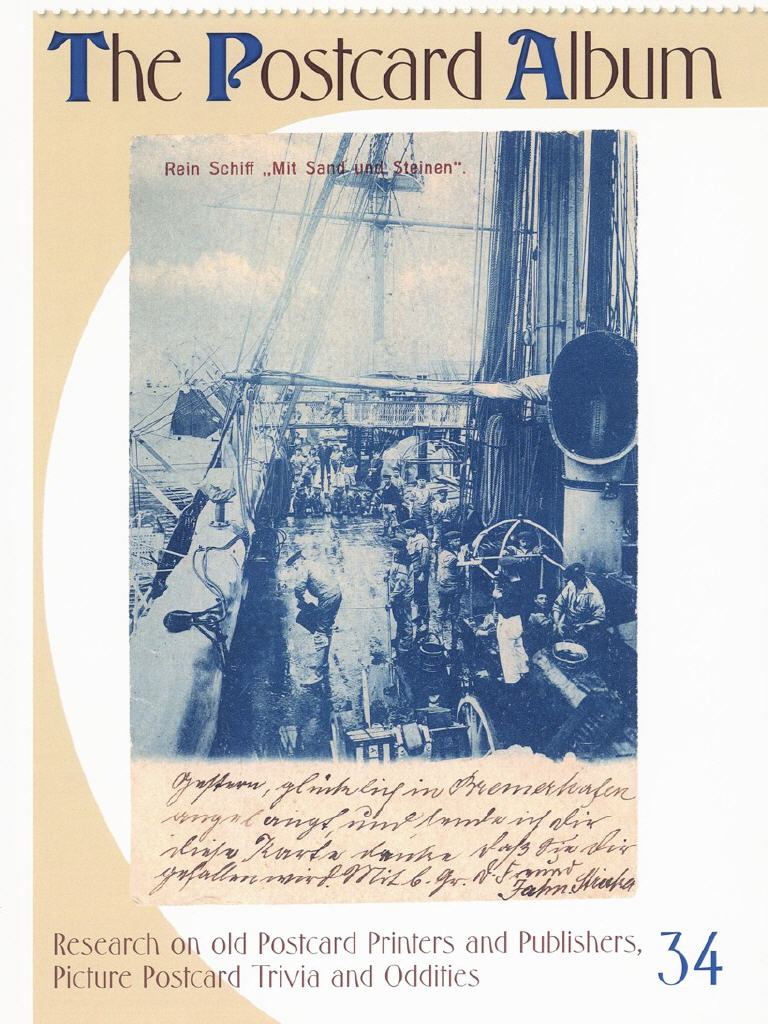 TPA issue 34
 -
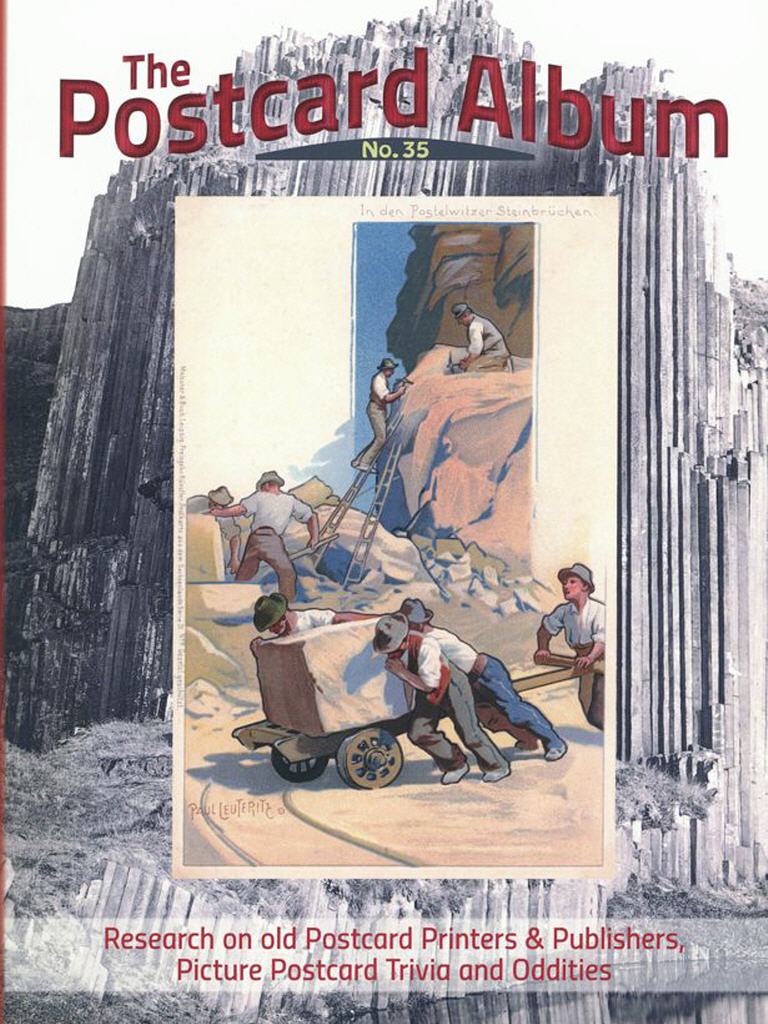 TPA issue 35.
TPA 32 with the provoking "TPA carries on!" imprint on cover was published the next year. New printer using a different digital process. Sold well, issue 32 was reprinted later. TPA 33 with 80 pages produced the same way and stock is meanwhile limited. The "old-fashioned" printed magazine was still finding new readers which is encouraging.
Then I was frustrated again when I learned that the printer did not offer the same quality/paper anymore but increased prices considerably instead. TPA 34 (84 pages) produced by a different printer using other machinery again. Made minor mistakes myself and think I learned my lesson. TPA 35 found my approval production-wise and hopefully the company stays in business.
The graphic trade (I have worked in for 45 years) is a difficult situation for a while already. Good that I am retired now.
Most of all I wish to thank all contributors still with TPA and making sure that the magazine is not becoming an "ego-zine". There is still much to discover in the almost unlimited world of old picture postcards.
TPA Representatives
Before I close looking back at the TPA project history, with its ups and downs, I would like to express my sincere thanks to the former TPA representatives who helped a great deal with keeping TPA going on:
Jim Gilmour and Ron Griffiths in GB – Max & Jane Trainer, Jim Ward and Jere Greider in the USA – Dean Mario in Canada. Vielen Dank!
Finally...
I would like to mention and remember of some friendly persons who have not only played an important role for TPA, but especially with picture postcard research during the past decades. Many may have gone meanwhile, but are definitely not forgotten. Listed in no particular order and not meant to be complete:
George Webber – Henk Voskuilen – Frans Bokelmann – Phil Mason – Hans Strassberger – Bob Conrich – Adolf Kugler – Oene Klynsma – Chris Ratcliffe – Sally Fall – Mike Price – Herbert Wolf – Jean Ritsema – Gerhard Stumpp – Dr. Dieter Lorenz – Chris McGregor – Egon Onnen – Clyde North – Derek Savory – Henry Toms – David Pearlman
– back to top –