Postcard Company Portays
Introduction
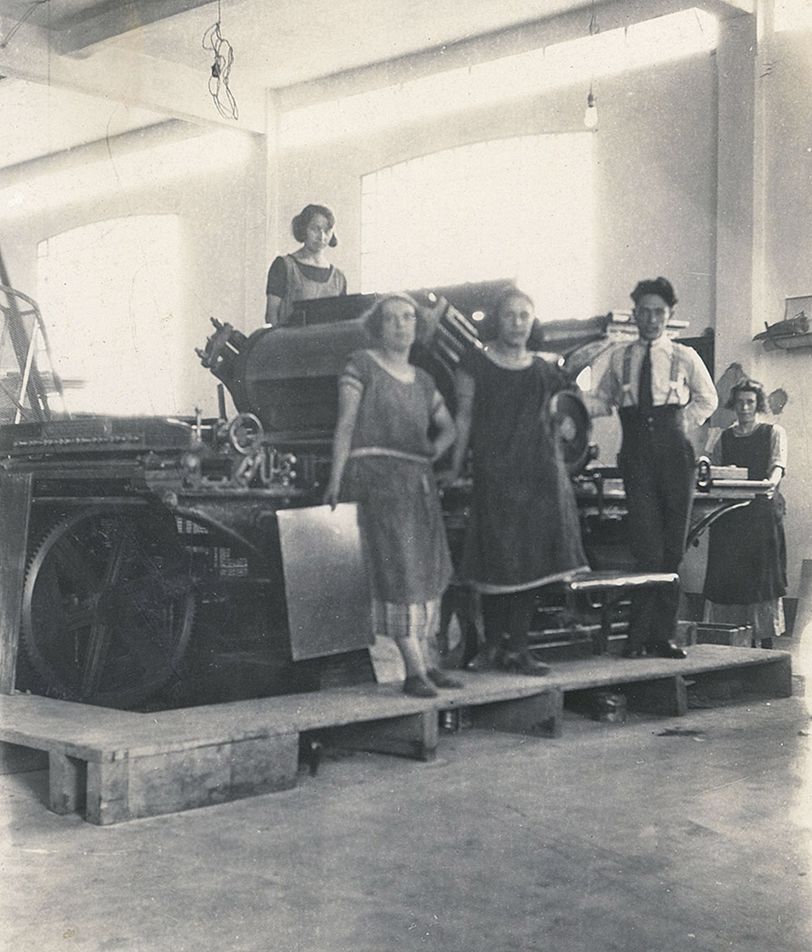
As I have mentioned before, instead of concentrating on identification of any trademarks or initials found on old postcard, I would like to present short stories on postcard related companies. In a more comprehensive form as on the previous TPA web site. When sufficient "reliable material" on the firm in focus is available of course. To give collectors and other interested persons an idea of the companies and persons in charge of postcard production long ago.
Let us start with a handful of "general" long gone postcard printers/publishers. Some familiar to collectors and others you may not heard of before. See listing below.
Most portrays with a separate page showing a selection of cards printed and/or published by the business in focus as well as some additional information. All illustrated cards come from my own collection. They may not represent the entire variety of cards issued/printed by the particular company, however.
The company data comes from own research. I do have a bigger collection of old trade periodicals, trade directories, letterheads/bills, company reports and printing sample cards. In some cases I added data from digital city address books with free public access. Any additional information, also corrections and comments always welcome. Thank you!
editor@tpa-project.info
Actually you find following companies under the "general ppc" heading:
– Theodor Eismann, Leipzig
– Hermann Ludewig, Leipzig
– Stange & Wagner, Berlin
– Regel & Krug, Leipzig
– Stern & Schiele, Berlin
– Graphische Gesellschaft AG, Berlin
– Frankfurter Lichtdruckanstalt Kumpf & Wiesbaden, Frankfurt/M.
– Wilhelm Hoffmann, AG, Dresden
– Glass & Tuscher, Leipzig
– Eduard Buettner & Co., Berlin
Real Photo Card Companies
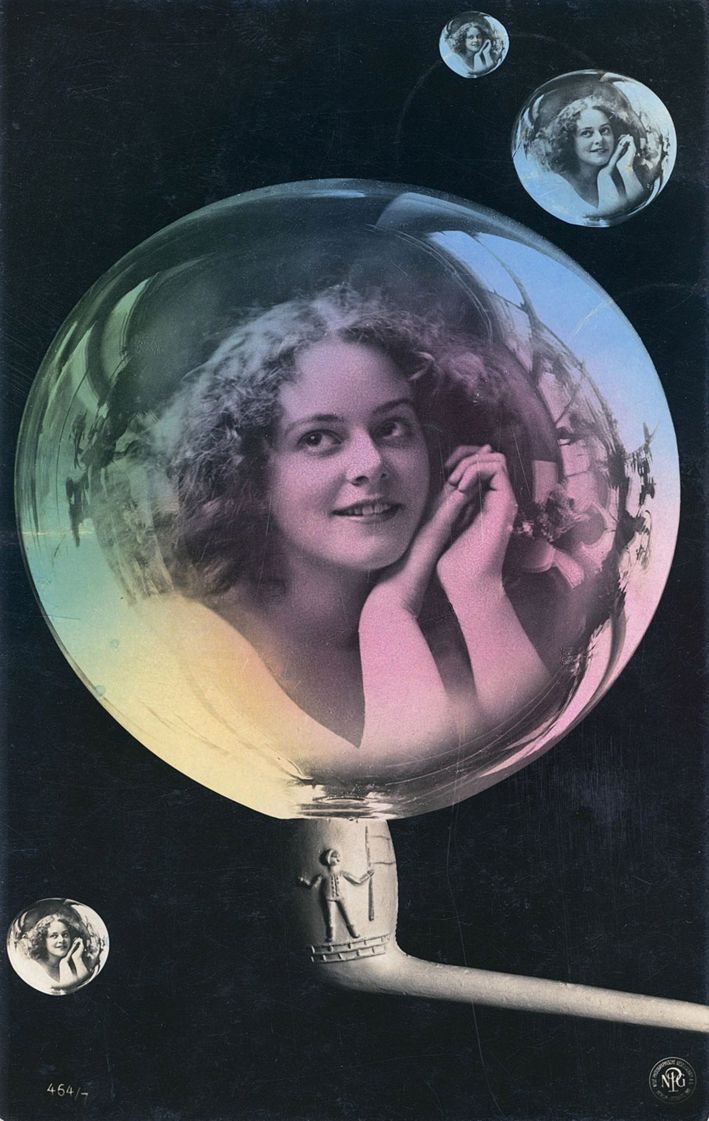
Beside the "general" companies you find a separate section on real photo card printers and publishers. Selection of logos and also some company portrays. Some businesses not often mentioned before elsewhere.
In general I have noted a grown interest in real photo card topics. Not only the "pretty ladies" type. Unfortunately many trademarks and initials seen on real photo cards are still a mystery. Some businesses appear to had been short-lived and left not many traces.
Neue Photographische Gesellschaft (NPG) from Berlin-Steglitz the earliest and biggest company in the field. Rotophot from Berlin started in 1900. Other companies (mostly from Berlin) followed the next years. Berlin-Neuroder Kunstanstalten AG took over a Dresden real photo card printer (see article). Another major player was E.A. Schwerdtfeger & Co. AG, Berlin, with the big photopaper manufacturer Mimosa from Dresden in background. Georg Gerlach & Co. AG also of some size when it comes to real photo card production.
The early years must had been really profitable in real photo card business. By 1906-07 the situation had changed. Overproduction, severe competion, a steadily growing number of new card issue within short intervals, sinking prices etc. led to the foundation of a real photo cartel under the name Verein Photographischer Reproduktions-Anstalten GmbH, Berlin. (PRA logo). In 1907 PRA represented 13 German and 4 Austrian real photo card factories. The first president (not surprising) was Arthur Schwarz, head of NPG.
The PRA was replaced in August 1910 by Neue Bromsilber Convention, Berlin. The real photo cartel matter as well as the other societies active in the German postcard trade are found detailed in an article from TPA issue 23. See for yourself:
TPA 23_PRA_NBC_bromide_ppc_cartels [704 KB]

The logos used by PRA as well as NBC are sometimes mistaken to stand for a particular publisher or printer. Sometimes you do not notice these logos as they were usually found placed inside the stamp box. When postally used covered by a postage stamp.
The companies back then may have suffered by the market situation, but the collector today benefits from the overproduction more than 100 years ago. Especially many cards issued prior the outbreak of WW1 are still around in bigger number. Real photo cards (non-topo) from the 1920-30‘s are often not so common.